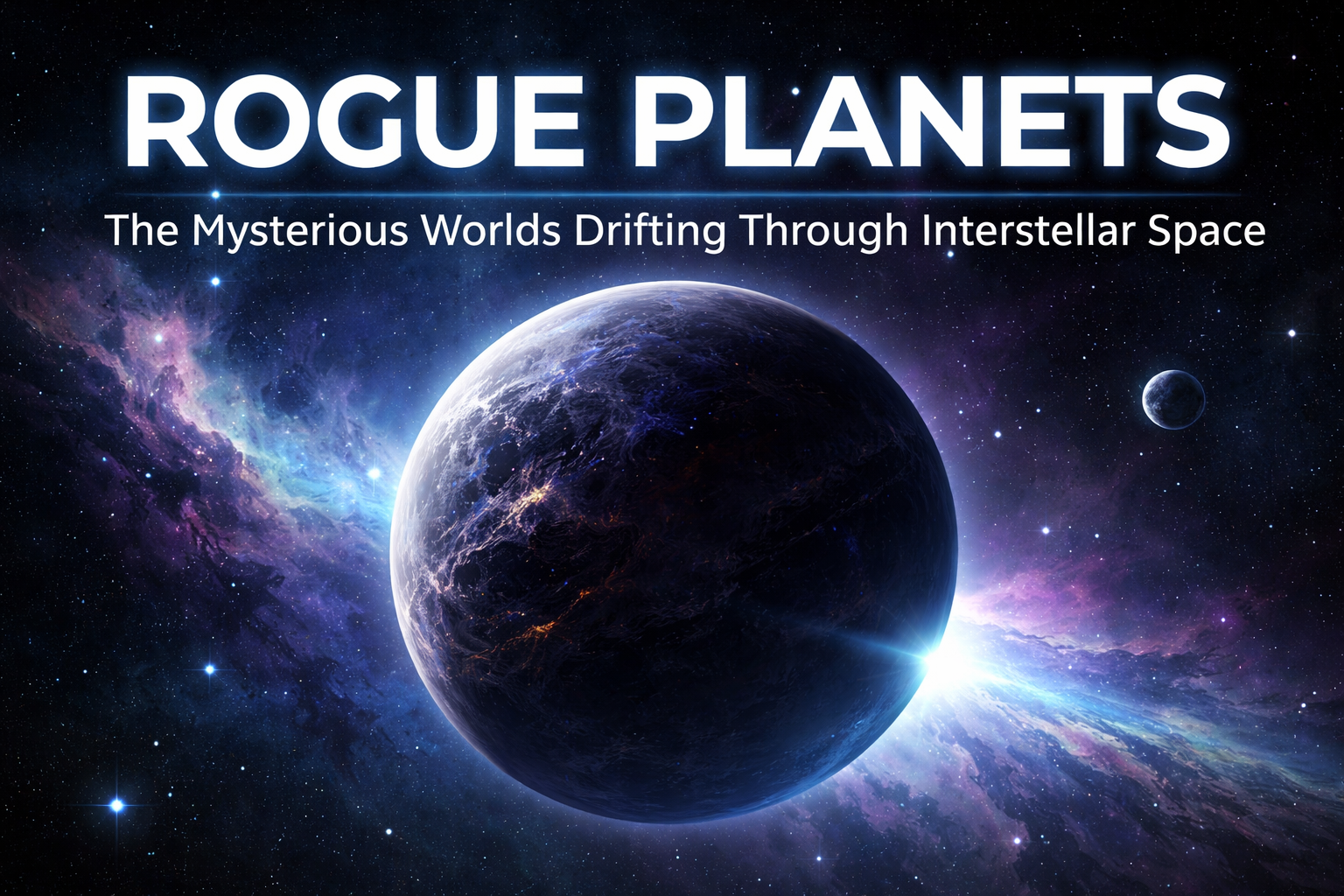
Rogue planets are some of the most intriguing and least understood objects in the universe. Unlike the familiar planets that orbit stars, these worlds travel alone, drifting silently through the vast darkness between solar systems. They have no sun to provide warmth or light, yet they continue to exist, shaped by powerful cosmic forces that either cast them out of their birth systems or formed them in complete isolation.
For scientists, rogue planets represent both a mystery and an opportunity. Their existence challenges traditional ideas about how planets form and where they belong. Even more fascinating, some of these wandering worlds may still hold heat, atmospheres, or even hidden oceans beneath frozen surfaces. As astronomers continue to discover more of these cosmic loners, rogue planets are reshaping our understanding of the galaxy and expanding the possibilities of where life might exist beyond Earth.
What Are Rogue Planets?
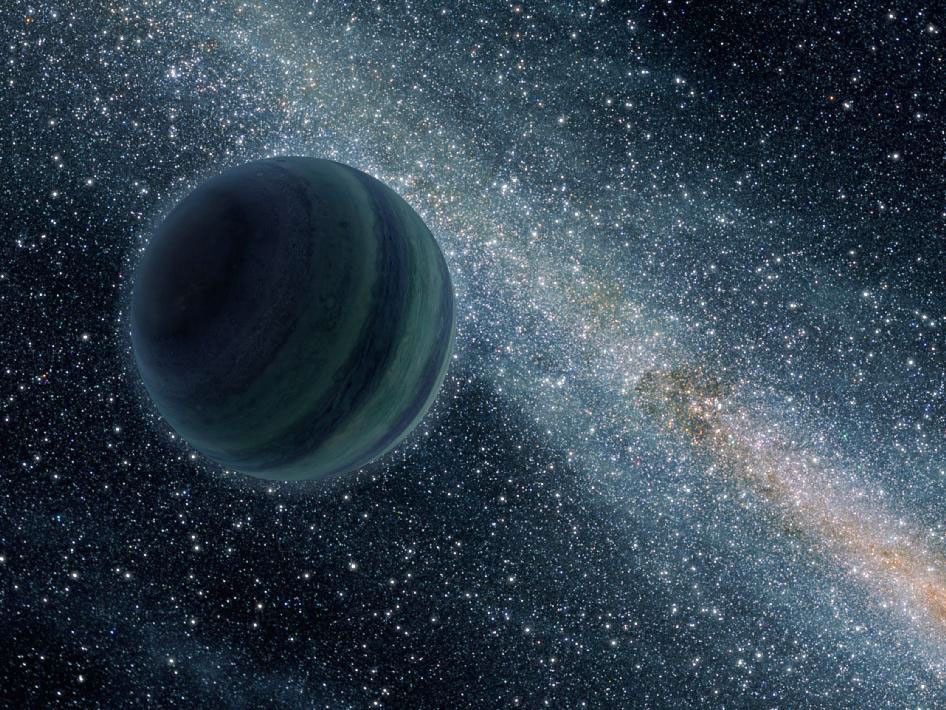
Rogue planets are among the most mysterious objects in the universe. Unlike Earth and the other planets in our solar system, these worlds drift through space alone, untethered to any star. They wander the galaxy in darkness, without sunlight, without a year, and often without a clear origin story. Despite sounding like science fiction, rogue planets are very real, and astronomers believe there may be billions, possibly even trillions, of them in our galaxy alone.
Understanding rogue planets gives scientists insight into how planetary systems form, evolve, and sometimes fall apart. These lonely worlds challenge our traditional view of what a planet is and where it belongs.
A rogue planet, sometimes called a free-floating planet or orphan planet, is a planetary-mass object that does not orbit a star. Instead, it travels independently through interstellar space. These planets can be similar in size to Earth, or they can be massive gas giants like Jupiter, but what defines them is their isolation.
In a typical planetary system, gravity keeps planets in orbit around a central star. Rogue planets, however, have either lost that connection or never had one to begin with. They exist in the vast emptiness between stars, where temperatures can drop to extreme lows and light is scarce or nonexistent.
Because they lack a nearby star, rogue planets are incredibly difficult to detect. Astronomers usually find them through indirect methods, such as gravitational microlensing, where the planet’s gravity briefly bends and magnifies the light of a distant star behind it.
How Rogue Planets Form

Rogue planets form through two primary pathways. Each tells a different story about the violent and dynamic nature of the universe.
1. Ejection from Solar Systems

One of the most common ways rogue planets are created is through ejection from their original planetary systems. Early in a system’s life, planets are still forming within a swirling disk of gas and dust around a young star. During this stage, gravitational interactions can become chaotic.
If multiple large planets form close together, they can begin to tug on each other with powerful gravitational forces. Over time, these interactions can destabilize their orbits. In some cases, one planet may be flung outward at incredible speeds, escaping the gravitational pull of its star entirely.
This process is often referred to as gravitational scattering. It can also be triggered by nearby stars passing too close, or by the death of a star, such as when it expands into a red giant or explodes in a supernova. Any of these events can disrupt the delicate balance of a planetary system and send planets drifting into space.
Ejected planets may retain some of their original characteristics, such as atmospheres or moons, depending on how violent the ejection was. Some may even carry internal heat, allowing them to remain geologically active long after being cast into darkness.
2. Independent Formation
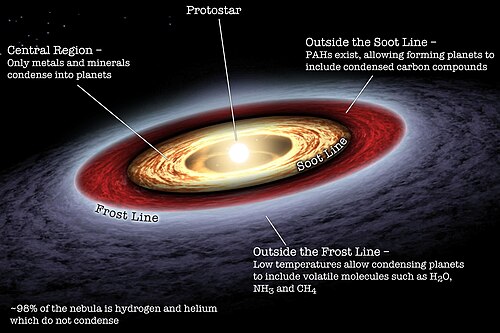
Not all rogue planets begin their lives orbiting a star. Some may form independently, in a way that is more similar to how stars are born, but on a smaller scale.
In regions of space filled with cold gas and dust, gravity can cause material to collapse into dense clumps. If a clump becomes massive enough, it can form a star. However, if it does not reach the necessary mass to ignite nuclear fusion, it may instead form a planet-like object.
These independently formed rogue planets are sometimes considered to blur the line between planets and brown dwarfs, which are often described as “failed stars.” The key difference lies in their mass and formation process. Rogue planets formed this way may never have been part of a solar system at all, making them true cosmic loners from the very beginning.
Life and Conditions on Rogue Planets
At first glance, rogue planets might seem completely inhospitable. Without a nearby star, surface temperatures can plunge to hundreds of degrees below freezing. Any atmosphere exposed to space may freeze or collapse over time.
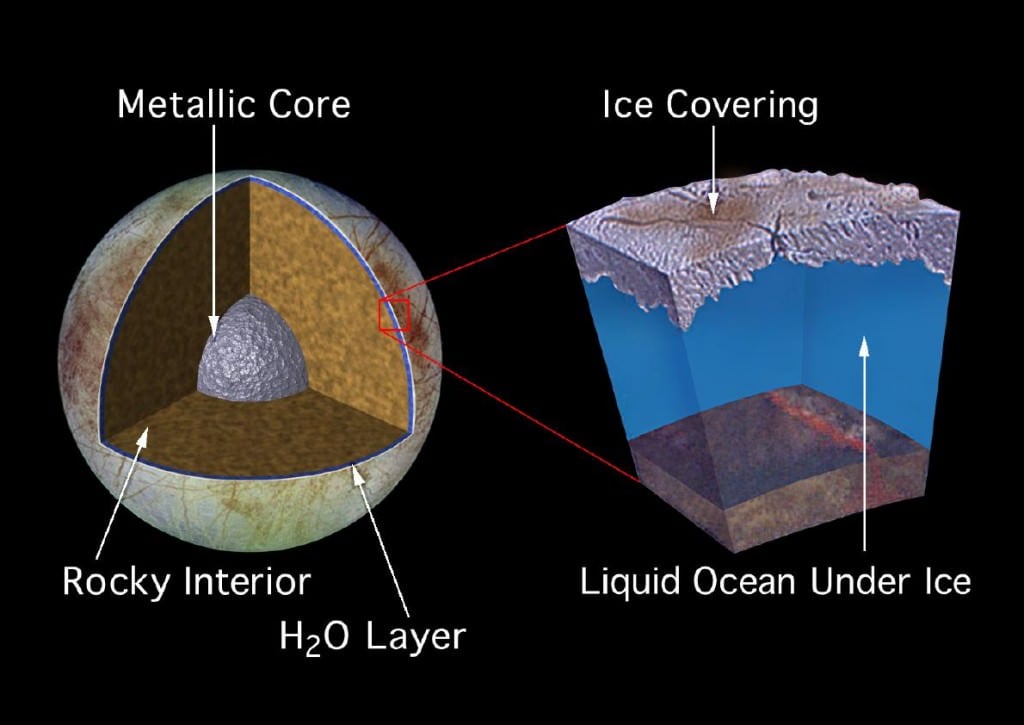
However, some scientists believe that certain rogue planets could still harbor conditions suitable for life. If a planet has a thick atmosphere rich in hydrogen, it could trap heat through a greenhouse effect, keeping the surface warmer than expected. Additionally, internal heat from radioactive decay or residual formation energy could sustain subsurface oceans beneath a thick layer of ice.
This idea is similar to moons like Europa or Enceladus in our own solar system, where liquid water may exist beneath icy crusts. On a rogue planet, such an ocean could remain stable for billions of years, potentially providing an environment where life could emerge or survive.
Why Rogue Planets Matter
Rogue planets are more than just cosmic curiosities. They provide valuable clues about how planetary systems evolve and how common planets are in the universe. The fact that so many planets may be ejected suggests that planetary systems can be far more unstable than once thought.
They also expand our understanding of where life might exist. If life can survive without sunlight, relying instead on internal heat and chemical energy, then the number of potentially habitable environments in the universe increases dramatically.
In addition, studying rogue planets helps astronomers refine models of star and planet formation. By observing how often these objects appear and what sizes they are, scientists can better understand the processes that shape galaxies.
The Lonely Wanderers of the Galaxy

Rogue planets represent a fascinating and somewhat haunting aspect of the cosmos. They are worlds without suns, drifting endlessly through the darkness between stars. Some were cast out in violent events, while others formed alone in quiet clouds of gas and dust.
Despite their isolation, these planets may not be entirely lifeless or inactive. Hidden beneath frozen surfaces or thick atmospheres, they could hold secrets about survival in the most extreme environments imaginable.
As detection methods improve and new telescopes come online, astronomers are likely to discover many more rogue planets in the years ahead. Each one will add another piece to the puzzle of how our universe works, and perhaps even challenge our assumptions about what it means to be a planet at all.