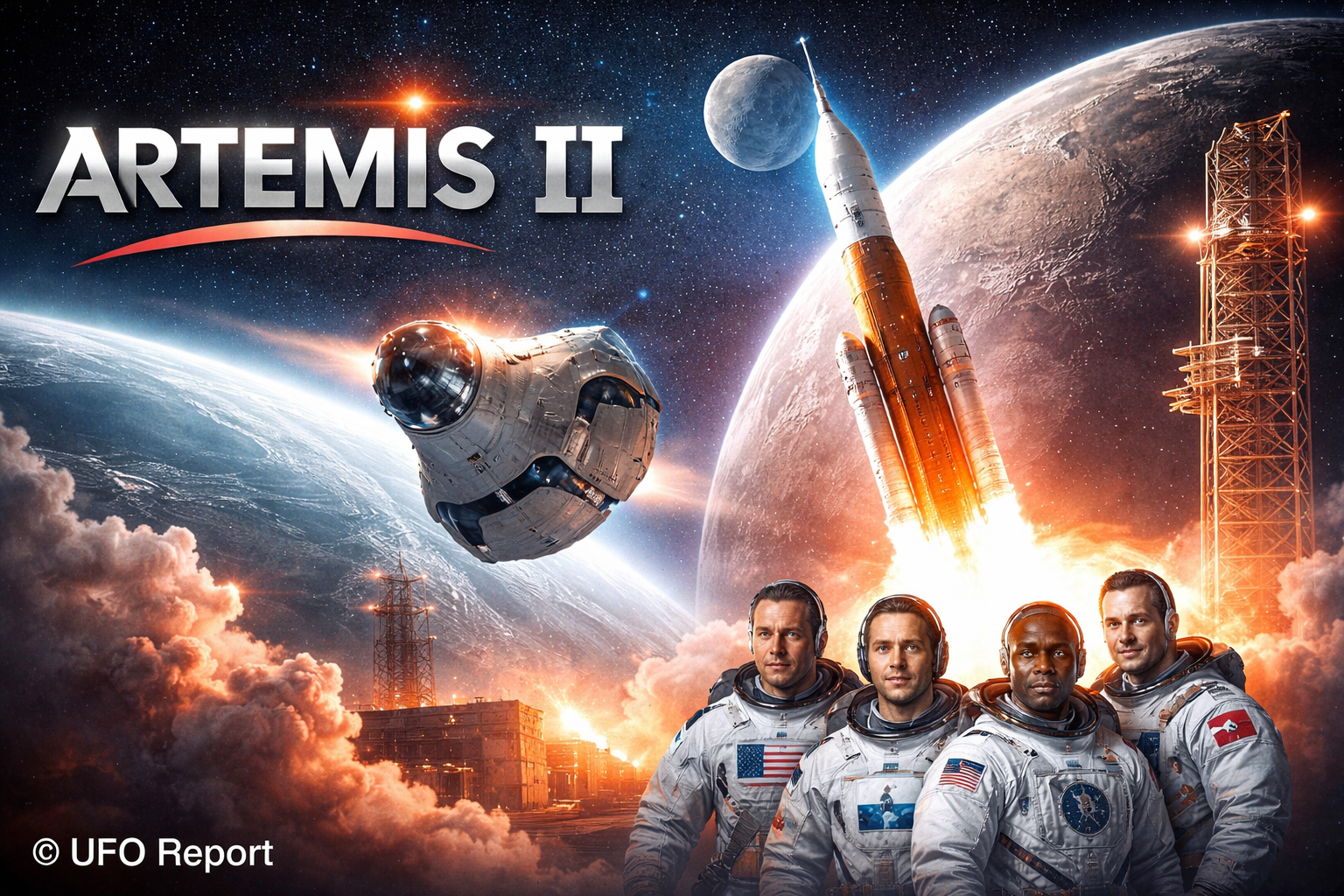
Artemis II marks a major milestone in humanity’s return to deep space. As the first crewed mission in NASA’s Artemis program, it will send astronauts beyond low Earth orbit for the first time since the Apollo era. This mission is not just a symbolic return to the Moon, it is a critical step toward establishing a long-term human presence in lunar orbit and eventually on the lunar surface.
Unlike previous missions focused solely on landing, Artemis II is designed to test the systems that will carry astronauts safely into deep space and back. It lays the groundwork for future missions that aim to build sustainable infrastructure around and on the Moon.
Mission Overview
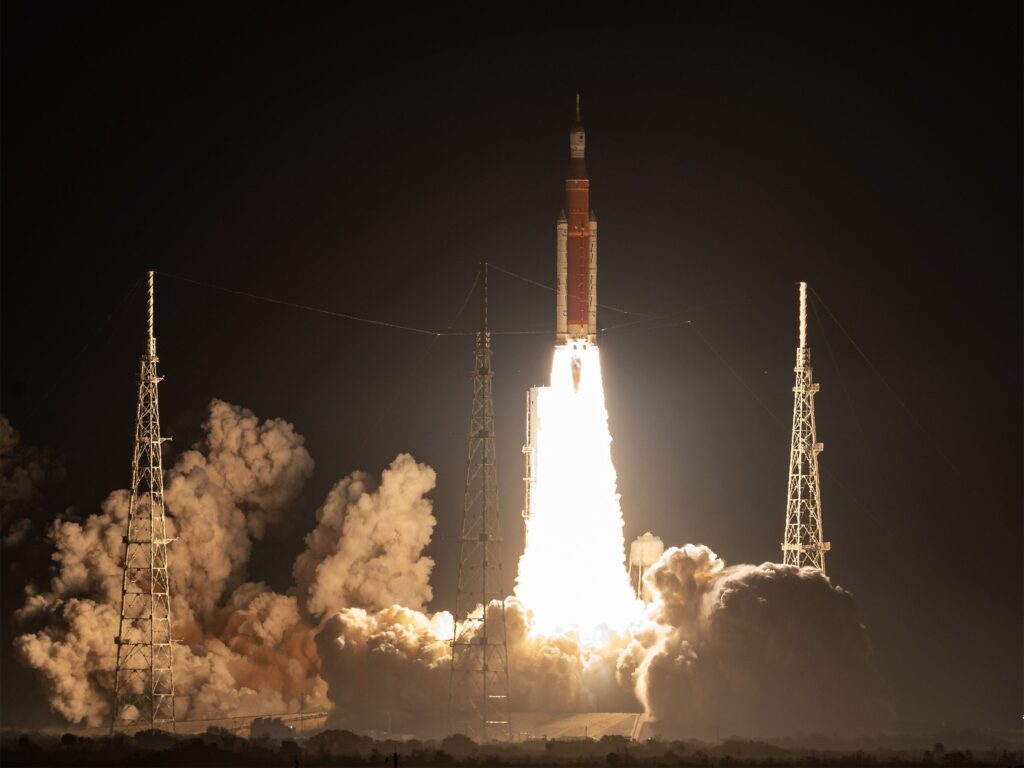
Artemis II will be the first time astronauts travel aboard NASA’s new deep-space systems, including the Space Launch System (SLS) rocket and the Orion spacecraft. The mission will carry a crew of four astronauts on a journey that loops around the Moon before returning to Earth.
The flight is expected to last about 10 days. During this time, the crew will travel thousands of miles beyond the Moon, testing navigation, communication, and life-support systems in a true deep-space environment.
Unlike Artemis I, which was uncrewed, this mission introduces human factors into the equation. Every system, from propulsion to cabin pressure, must perform flawlessly to ensure astronaut safety.
The Crew of Artemis II
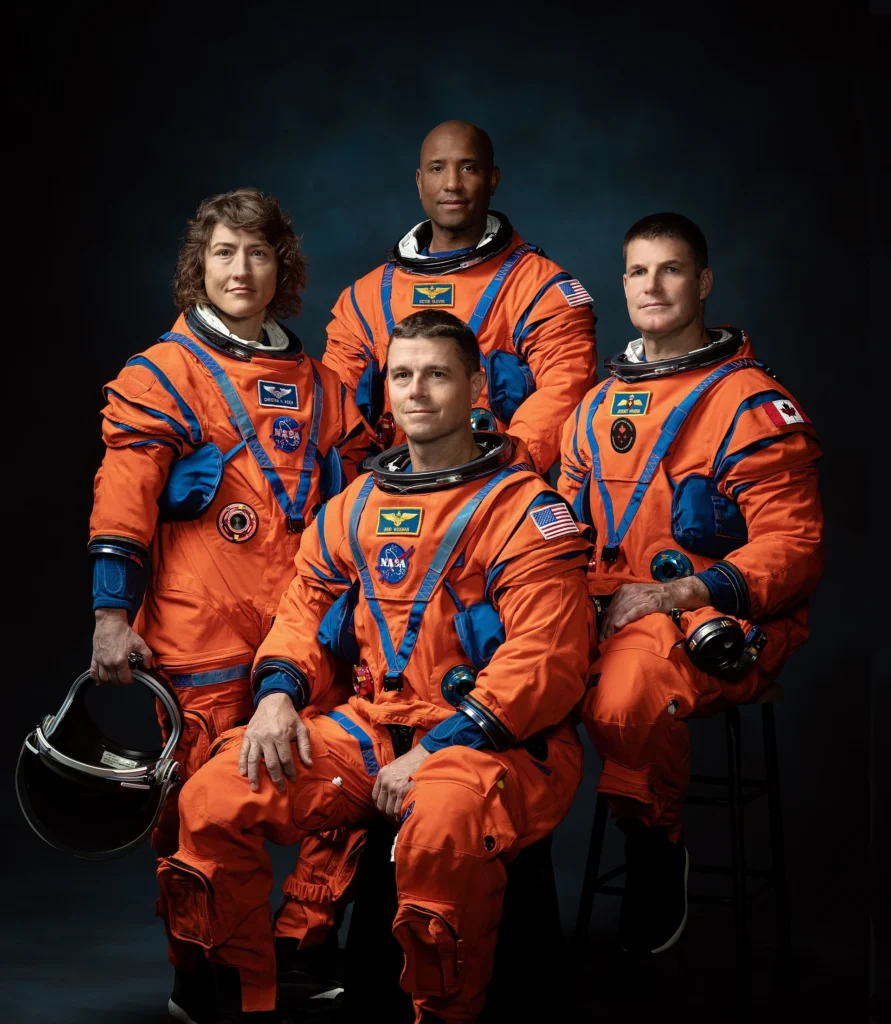
NASA has selected a diverse and highly experienced crew for Artemis II:
- Reid Wiseman – Commander
- Victor Glover – Pilot
- Christina Koch – Mission Specialist
- Jeremy Hansen – Mission Specialist
This crew represents a historic step forward. Christina Koch will become the first woman to travel beyond low Earth orbit, and Victor Glover will be the first Black astronaut to do so. Jeremy Hansen, from the Canadian Space Agency, will be the first Canadian to journey to the Moon.
Their mission is not only technical but symbolic, reflecting a broader, more inclusive era of space exploration.
The Spacecraft: Orion and SLS
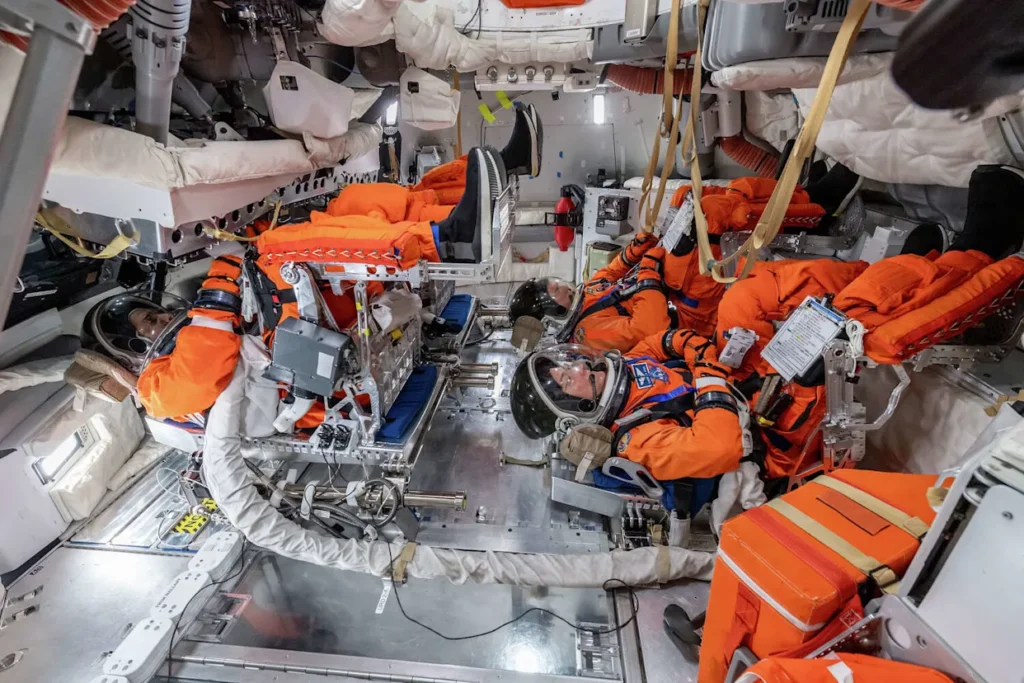
At the heart of Artemis II are two key technologies:
Orion Spacecraft
Orion is designed to carry astronauts safely into deep space. It includes advanced life-support systems, radiation protection, and a high-speed reentry capability. The spacecraft can travel farther than any human-rated system before it.
Space Launch System (SLS)
The SLS is NASA’s most powerful rocket ever built. It provides the thrust needed to send Orion and its crew beyond Earth’s orbit and toward the Moon.
Together, these systems represent the next generation of human spaceflight, combining modern engineering with lessons learned from Apollo.
Mission Objectives
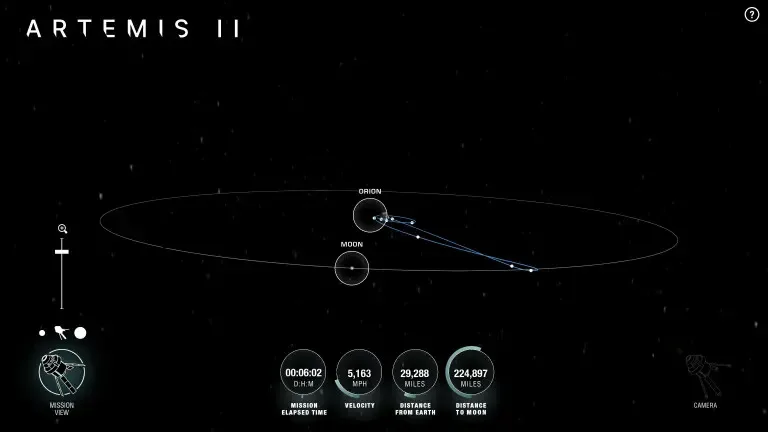
Artemis II is primarily a test mission, but its objectives are extensive and critical:
- Life-Support Testing: Ensuring astronauts can survive and function in deep space
- Navigation and Guidance: Verifying the spacecraft can accurately travel to and around the Moon
- Communication Systems: Maintaining contact with Earth over long distances
- Crew Operations: Evaluating how astronauts interact with the spacecraft in real conditions
The mission will also test emergency procedures, ensuring the crew can respond to unexpected situations.
Why Artemis II Matters
Artemis II is a bridge between past and future. It connects the legacy of Apollo with a new vision of sustained exploration.
This mission is essential for validating the systems that will support Artemis III, which aims to land astronauts on the Moon. It also supports the development of the Lunar Gateway, a planned space station in orbit around the Moon that will serve as a staging point for future missions.
Beyond the Moon, Artemis II is part of a larger strategy to prepare for human missions to Mars. Every system tested during this mission contributes to the knowledge and experience needed for deeper space exploration.
A New Era of Exploration
Artemis II represents the beginning of a new chapter in human spaceflight. It is not just about returning to the Moon, it is about staying there and building a foundation for future exploration.
With a diverse crew, advanced technology, and ambitious goals, Artemis II signals that humanity is once again ready to venture beyond Earth’s orbit. The mission carries not only astronauts, but also the hopes of a new generation looking toward the stars.
As the countdown to launch continues, Artemis II stands as a reminder that exploration is not a thing of the past, it is the future.