
The Enigma of the Moon’s Hidden Face
For as long as we’ve looked up, the Moon has been both a companion and a riddle—our nearest neighbor, yet forever half-concealed. The side we

For as long as we’ve looked up, the Moon has been both a companion and a riddle—our nearest neighbor, yet forever half-concealed. The side we

The three inner worlds—Earth, Mars, and Venus—were born together from the same dust and fire beneath the newborn Sun. They began as siblings, shaped by

Why is the universe so quiet? If intelligent life is common, why haven’t we been contacted—or invaded—by beings from beyond the stars? One of the

In the frozen twilight of Uranus, storms don’t bring water—they bring jewels. When we think of rain, we imagine water falling from the sky—maybe snow,
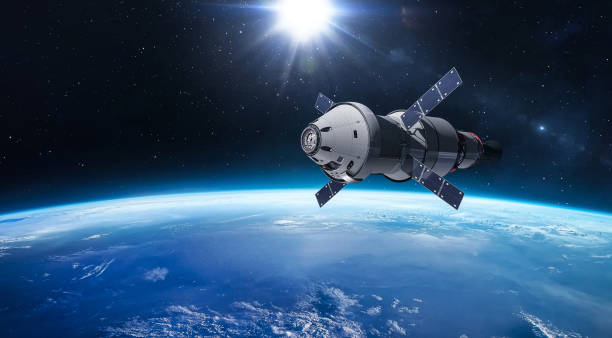
Space exploration has been one of the greatest achievements of mankind, but it is not without its risks. One such risk is the possibility of

Proxima Centauri b, the closest potentially habitable exoplanet, may hold clues to life beyond Earth. Explore its discovery, atmosphere, and future exploration.

Kepler-62f is a potentially habitable super-Earth 1,200 light-years away. Explore its climate, atmosphere, star system, and why it remains a compelling target in the search for life.

Enceladus, Saturn’s icy moon, may hide a global ocean, hydrothermal vents, and organic compounds. Explore its mysteries and potential for extraterrestrial life.

Explore Europa, Jupiter’s icy moon that may hide a vast subsurface ocean capable of supporting extraterrestrial life. Learn about Europa’s unique geology, its hidden ocean, evidence for potential habitability, and upcoming missions like NASA’s Europa Clipper and ESA’s JUICE that are set to reveal the moon’s deepest secrets.

Discover the top 5 worlds scientists believe could harbor life, from icy moons with hidden oceans to distant exoplanets. Explore today’s most promising cosmic candidates.
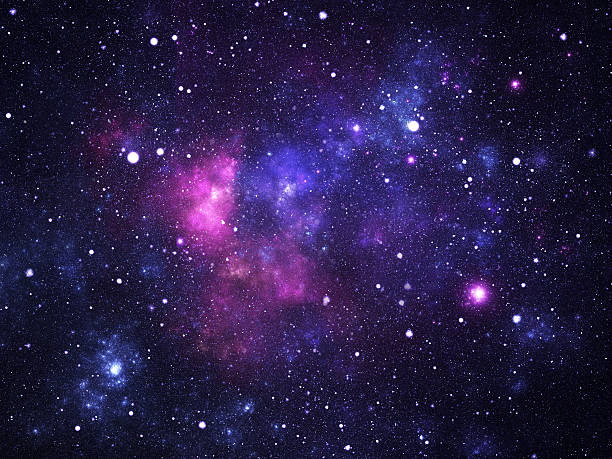
Dark matter and dark energy are two of the most mysterious and fascinating aspects of our universe. Although they cannot be seen or directly detected,
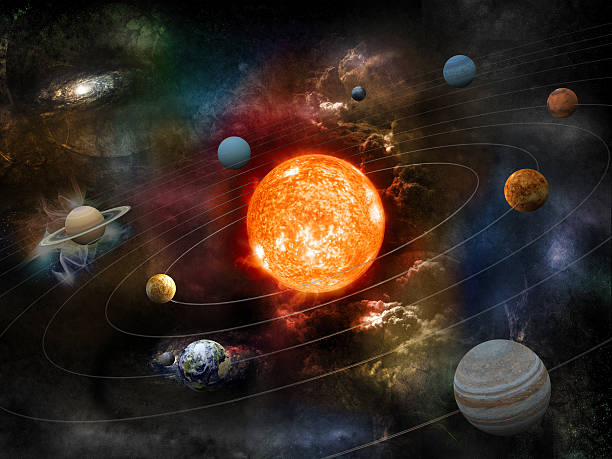
The Solar System, our own cosmic neighborhood, is a fascinating and diverse collection of celestial bodies orbiting around a central star, the Sun. From the